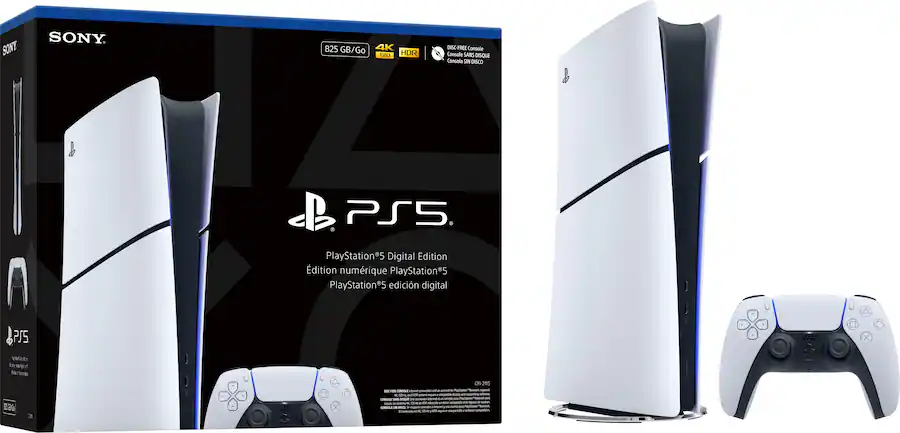
Sony Interactive Entertainment is facing a new class-action lawsuit after PlayStation console owners accused the company of unfairly benefiting from PlayStation 5 price increases tied to tariffs introduced during the 2025 trade disputes.
The lawsuit, filed in the U.S. District Court for the Northern District of California, claims Sony raised PS5 prices during a period of economic uncertainty tied to import tariffs and could now potentially benefit again after courts ruled portions of those tariffs unlawful. Plaintiffs argue consumers should receive compensation if Sony receives government refunds connected to tariff costs that were previously passed on to buyers through higher console prices.
According to the complaint, Sony increased prices on several PS5 models in August 2025 while citing a “challenging economic environment,” inflation, and currency fluctuations. While tariffs were part of the broader economic climate at the time, Sony did not specifically state tariffs were the sole reason for the increases.
The lawsuit describes the situation as a possible “double recovery windfall,” claiming Sony may have shifted tariff-related costs onto consumers while also becoming eligible for reimbursements tied to those same import fees after later court rulings challenged the legality of the tariffs under the International Emergency Economic Powers Act (IEEPA).
Reports surrounding the lawsuit state the proposed class could include U.S. consumers who purchased PlayStation consoles following the 2025 price increases. Court filings also reference multiple pricing adjustments that allegedly raised the overall cost of some PS5 models over time.
Sony has not publicly responded in detail to the lawsuit as of this writing.
The case arrives as gaming companies continue facing scrutiny over rising hardware and digital marketplace prices. Industry analysts note that tariffs were only one factor impacting console pricing during the period, alongside inflation, manufacturing expenses, supply-chain challenges, and foreign exchange rates.
Sony is not the only gaming company facing legal attention connected to pricing changes during the tariff period, as similar consumer concerns have reportedly emerged across other areas of the gaming industry.